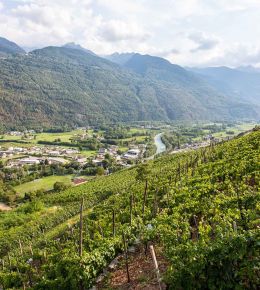
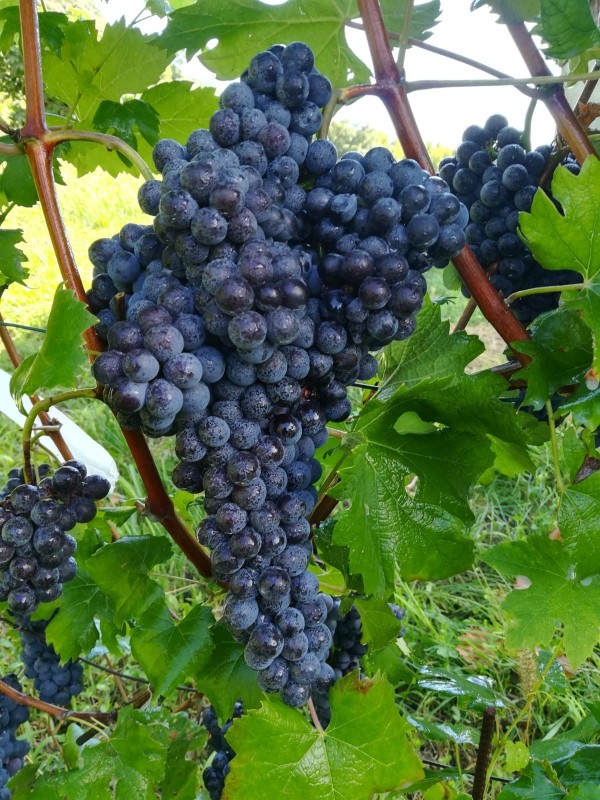
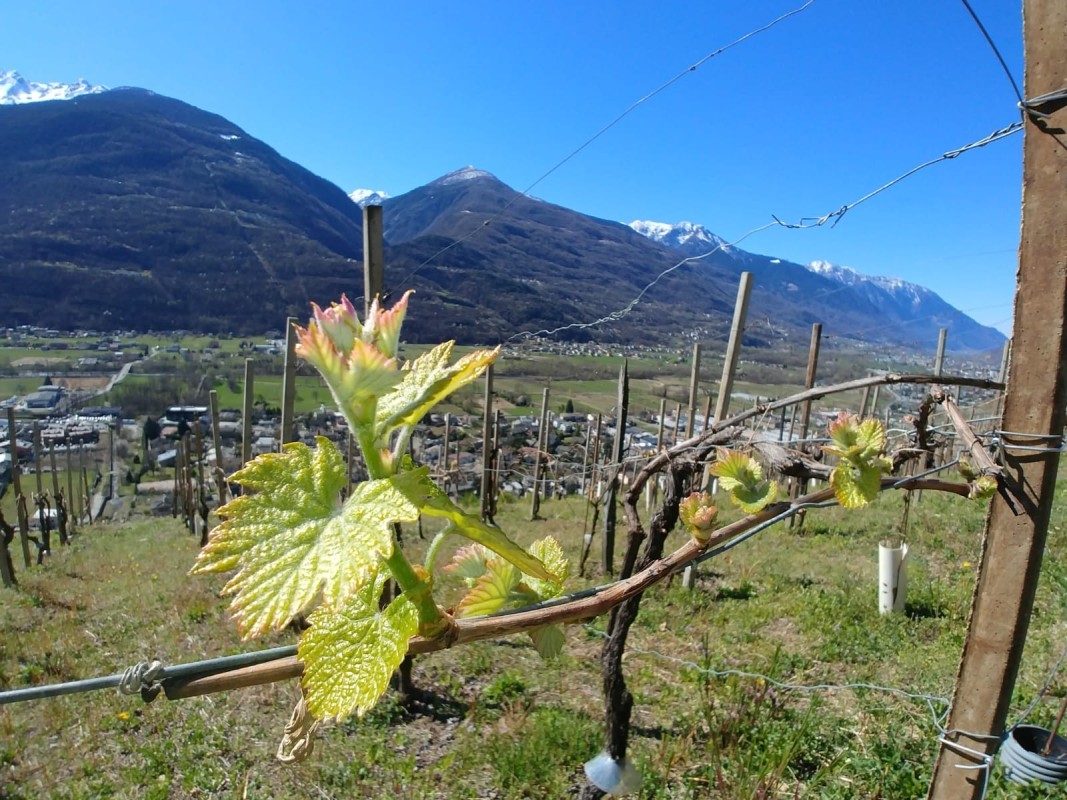
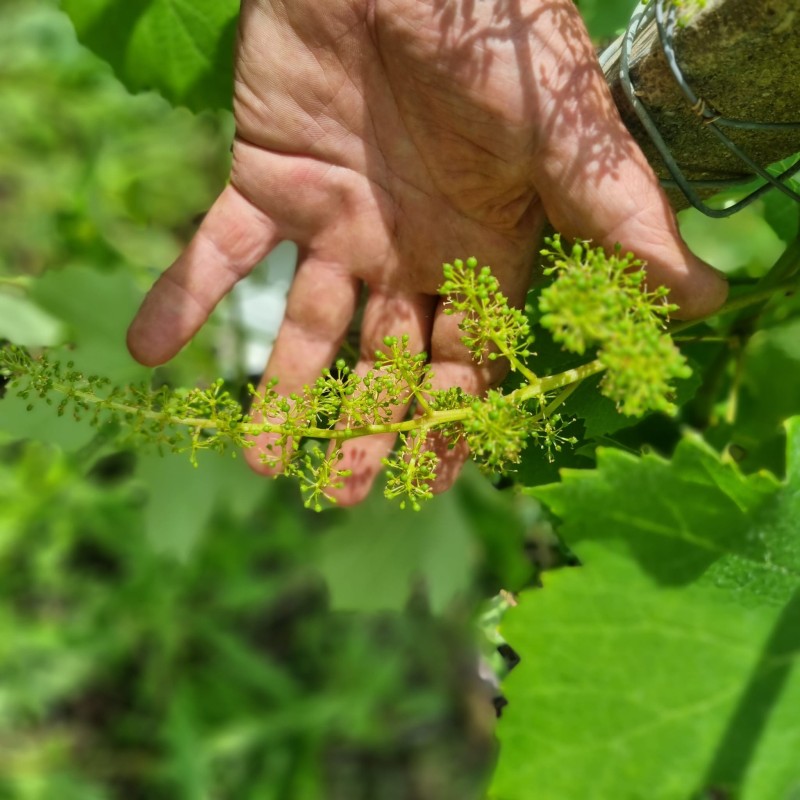
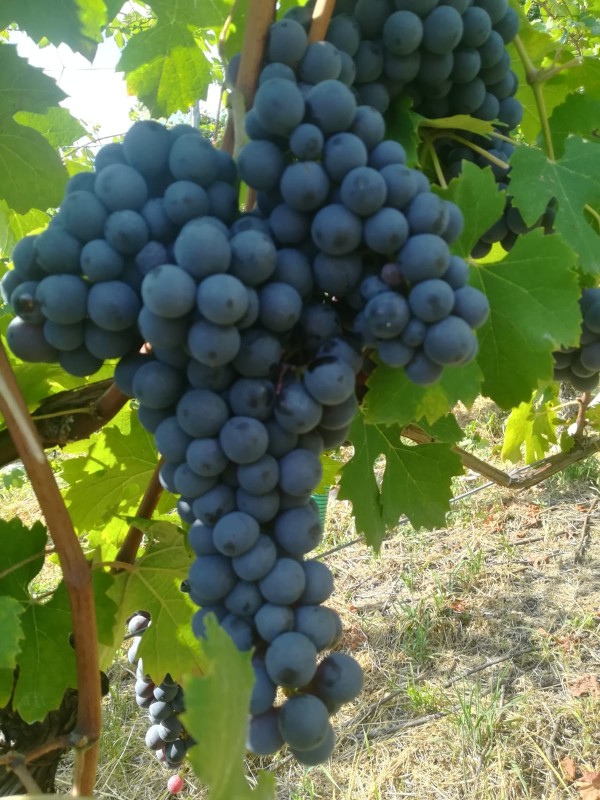
Nebbiolo (locally known as "Chiavennasca", a native variety), considered one of the world’s finest grape varieties, forms the basis for the production of wines bearing the Valtellina Superiore DOCG and Sforzato di Valtellina DOCG designations.
In Italy, it is mainly found in Piedmont, particularly in the Langhe and Roero areas, in the province of Cuneo and in the northernmost part of the region; although in smaller quantities, it is also found in the Asti area.
It is a grape variety that produces grapes of the highest quality, with a good balance between body, acidity and tannins. This grape is well-suited to being vinified as a single variety, ideal for long ageing and for the production of "noble", full-bodied wines. When fully ripe, Nebbiolo grapes exhibit aromas reminiscent of fruity notes, dried flowers and spices; the flavour is pleasantly tannic, savoury and persistent, displaying great elegance and finesse.
In Valtellina, the Fojanini Foundation, in collaboration with our oenologist Stefano Nera – who made an experimental vineyard available – has developed a project for the clonal selection of "Chiavennasca" vines, achieving the following results:
- Nebbiolo “Chiavennasca” clone 12: of medium vigour, with good and consistent productivity, excellent fertility; it is well suited to compact training systems with Guyot pruning;
- Nebbiolo “Chiavennasca” clone 21: medium vigour, average, consistent yield, good fertility, including that of basal buds, and it is therefore suited to compact training systems with Guyot pruning;
- Nebbiolo “Chiavennasca” clone 34: of medium vigour, with good, consistent and steady yields; higher fertility than clone 21; it is suited to compact training systems, with short Guyot pruning.