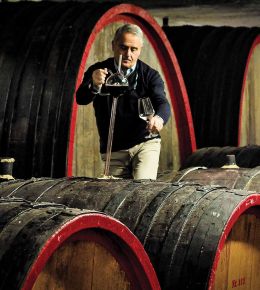
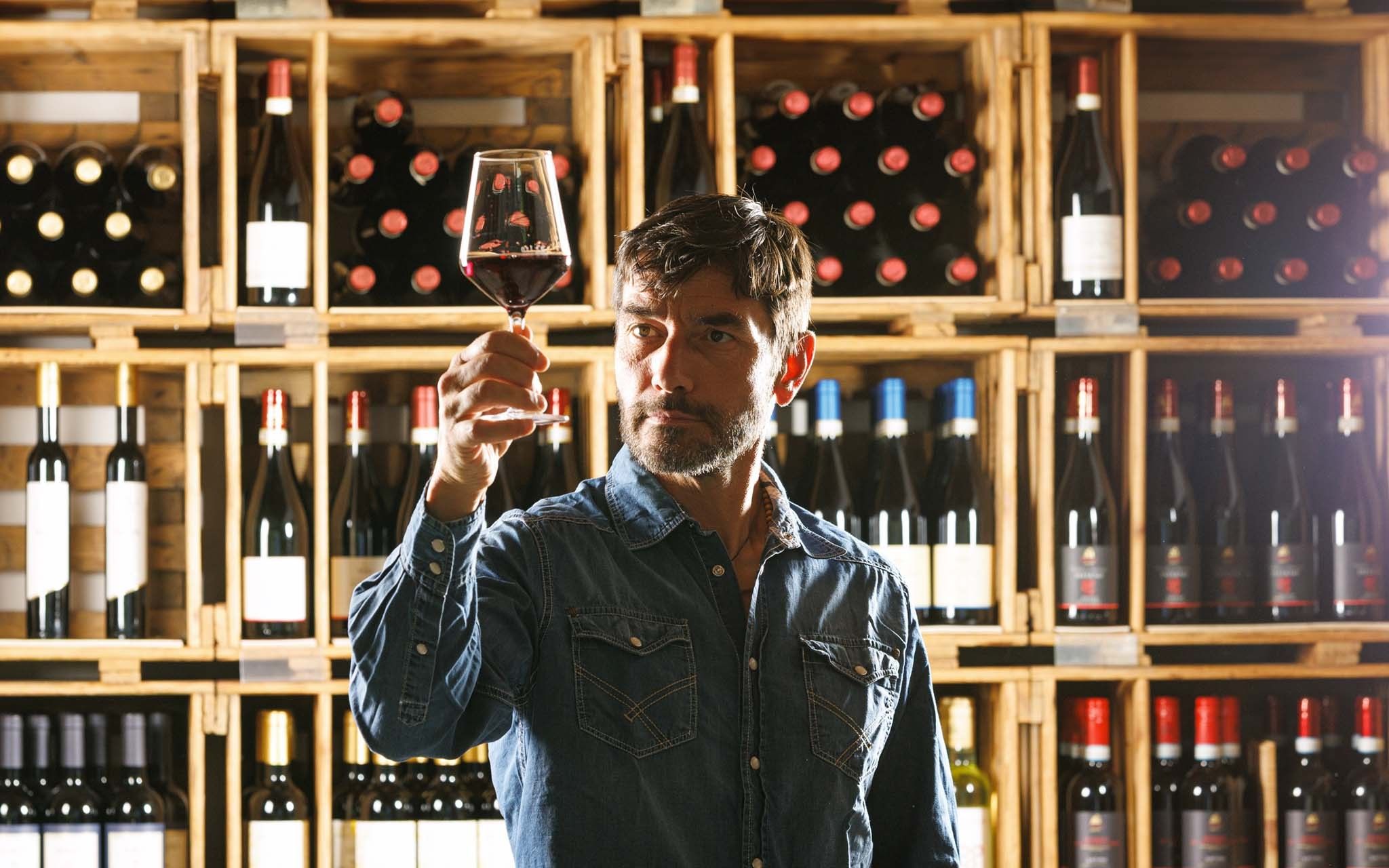
The wines of Valtellina reflect the stubborn character of its inhabitants and, naturally, are one of the most symbolic and authentic expressions of the terroir from which they originate.
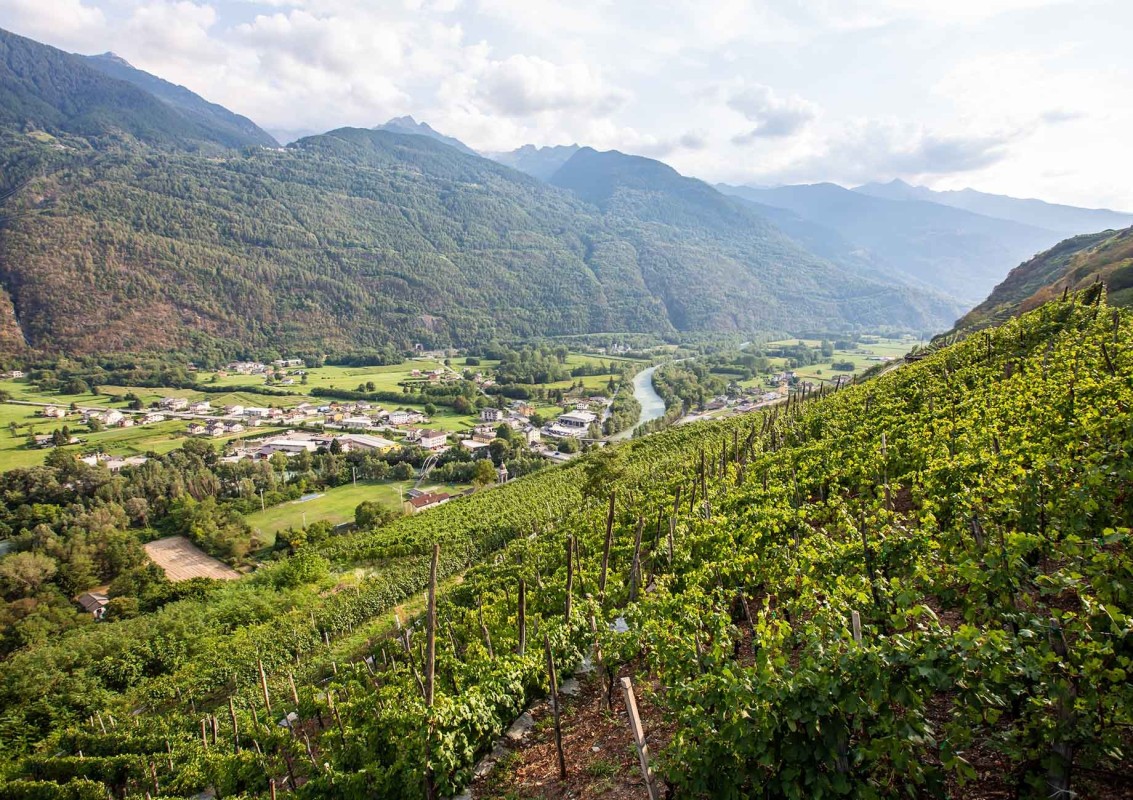
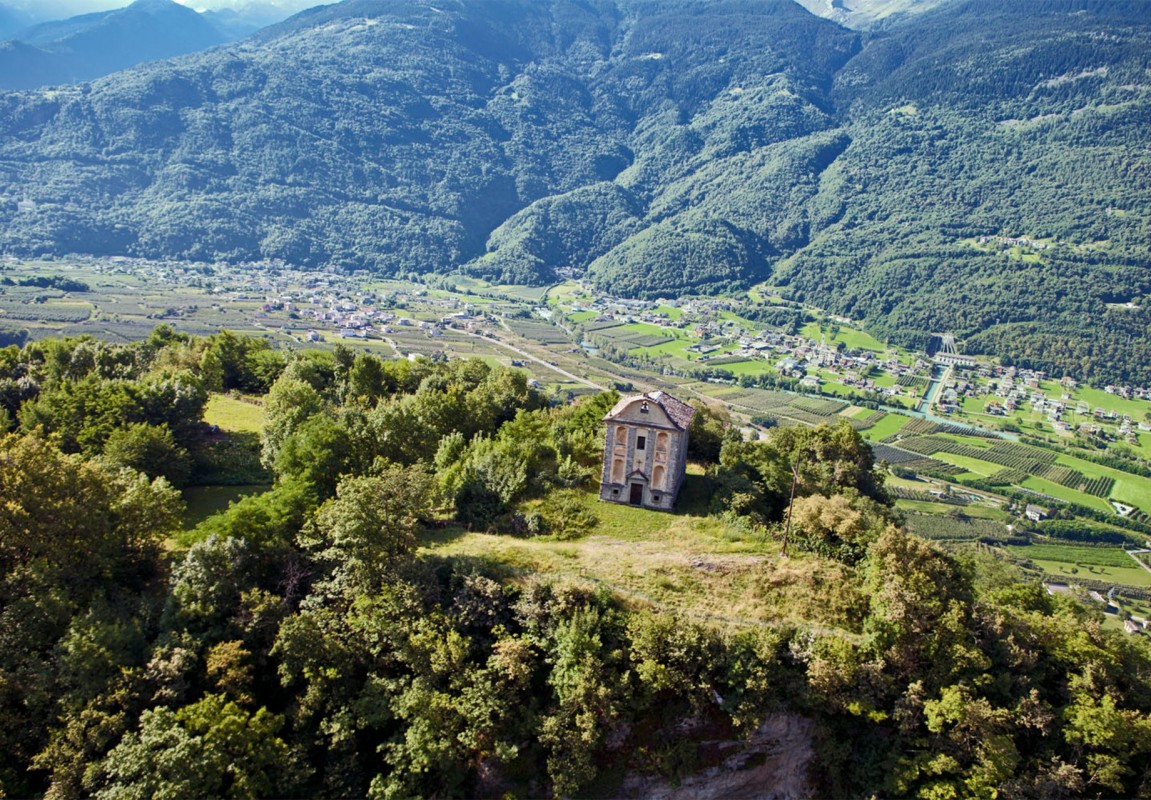
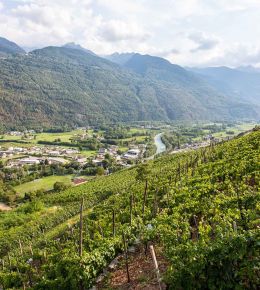
Our valley is truly unique, particularly due to its favourable climate and east-west aspect, which sets it apart from most Alpine valleys.
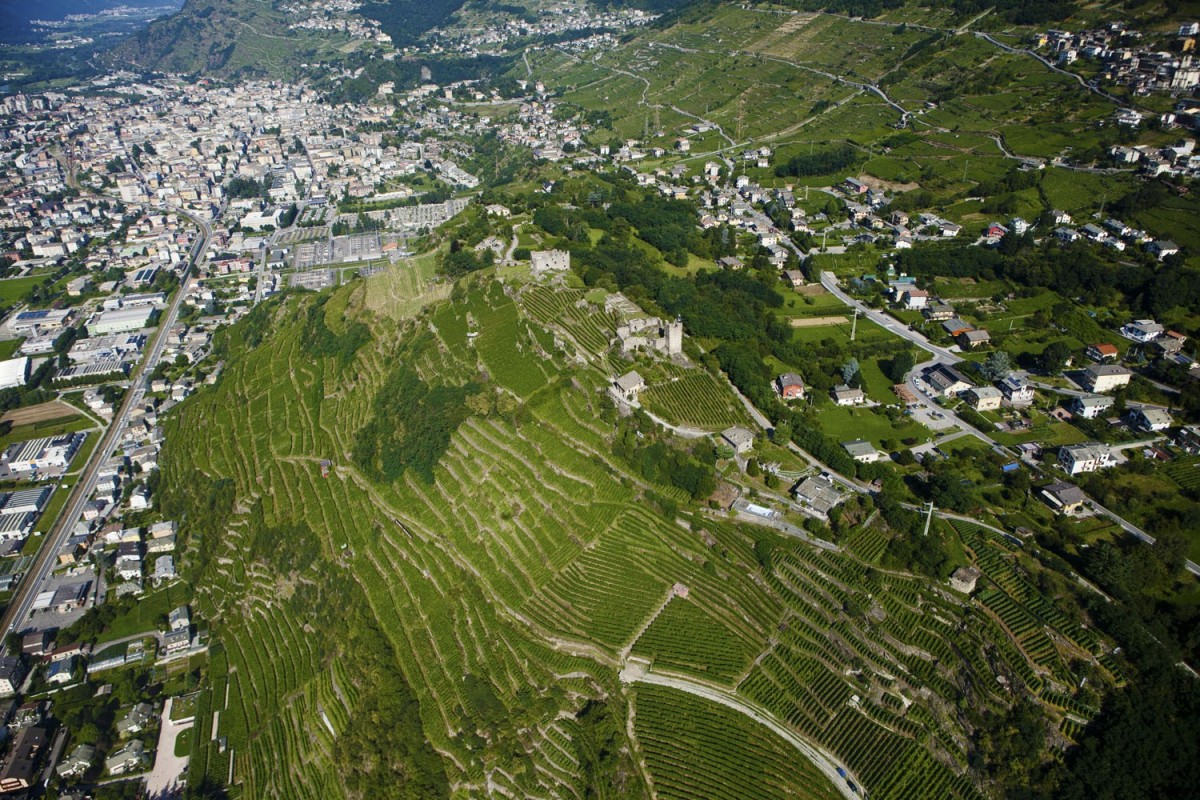
The historic rural landscape that welcomes visitors to Valtellina is enhanced by terraces.
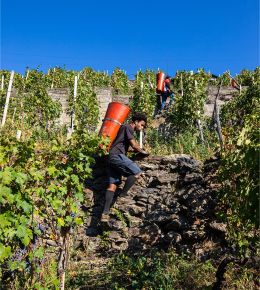
All facing south on the Rhaetian side of the Alps, they are a defining feature of the landscape and a strong symbol of the region. Almost 2,500 km of dry stone walls, on which there are currently around 750 hectares of vineyards. It is important to note that, since 2018, UNESCO has included the art of building dry stone walls (worldwide) as an intangible cultural heritage.
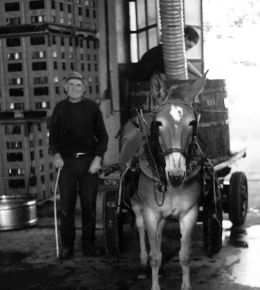
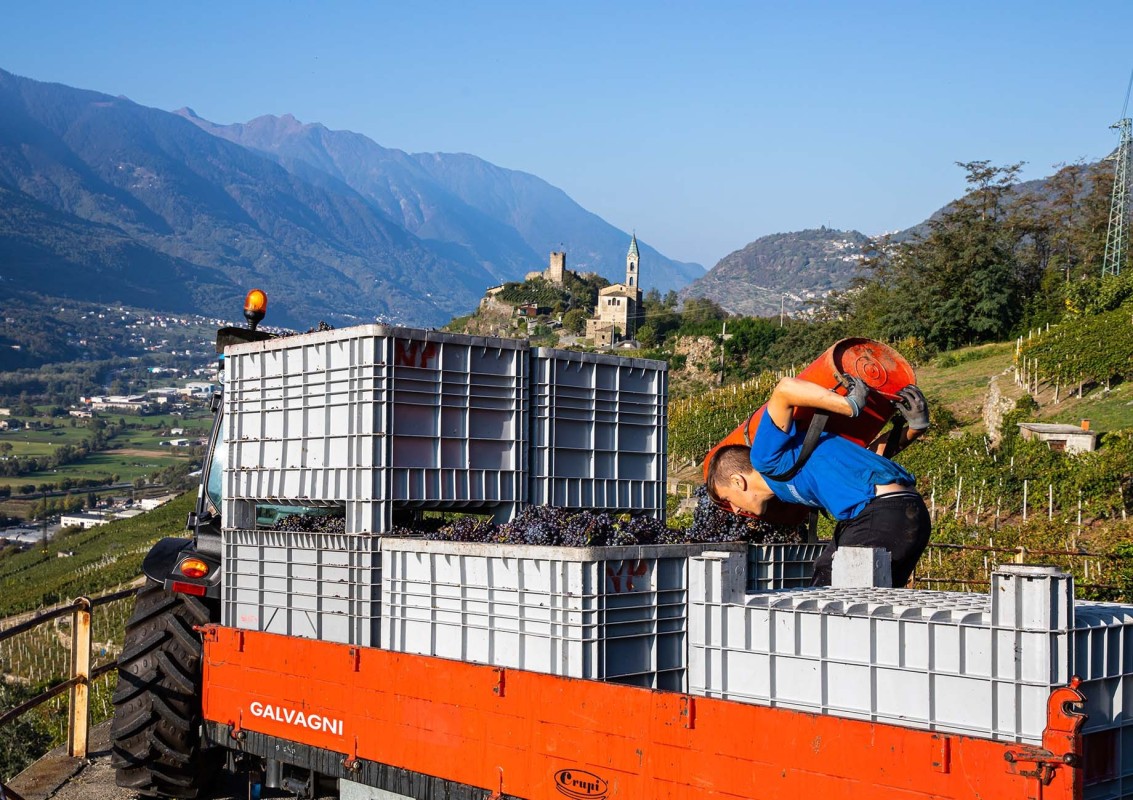
The work on these terraces is far from straightforward: historically, due to the nature of the terrain – which is difficult to cultivate – viticulture in Valtellina has always been described as "heroic", not least because the work is almost entirely manual. On average, each hectare of vineyard in Valtellina requires between 1,200 and 1,400 hours of labour per year.
Further arduous and costly work is required to maintain the land.
If left untended, the dry stone walls risk collapsing. Over the years, the Nera family has always been committed to preserving and passing on this traditional method of viticulture, which provides employment for many local residents. The winegrower is therefore both custodian and protector of the land on which they work daily.